



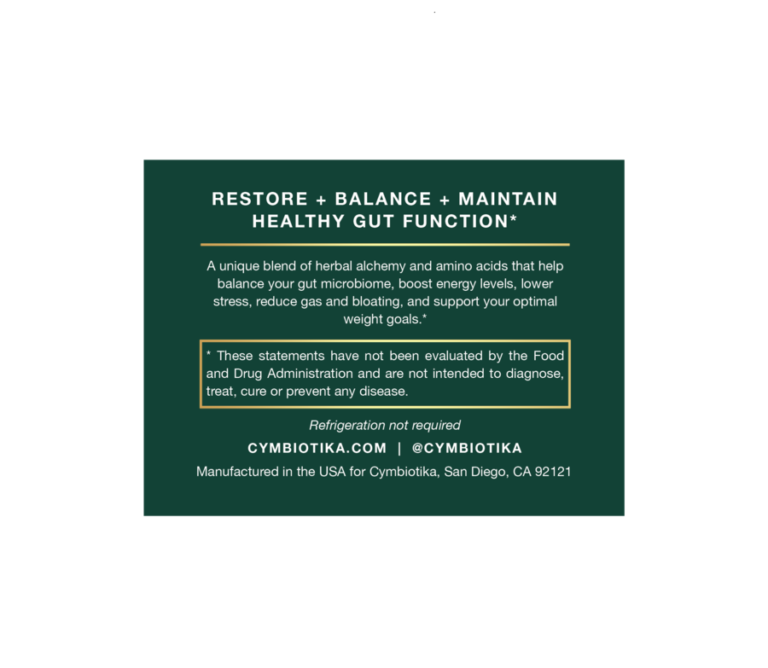

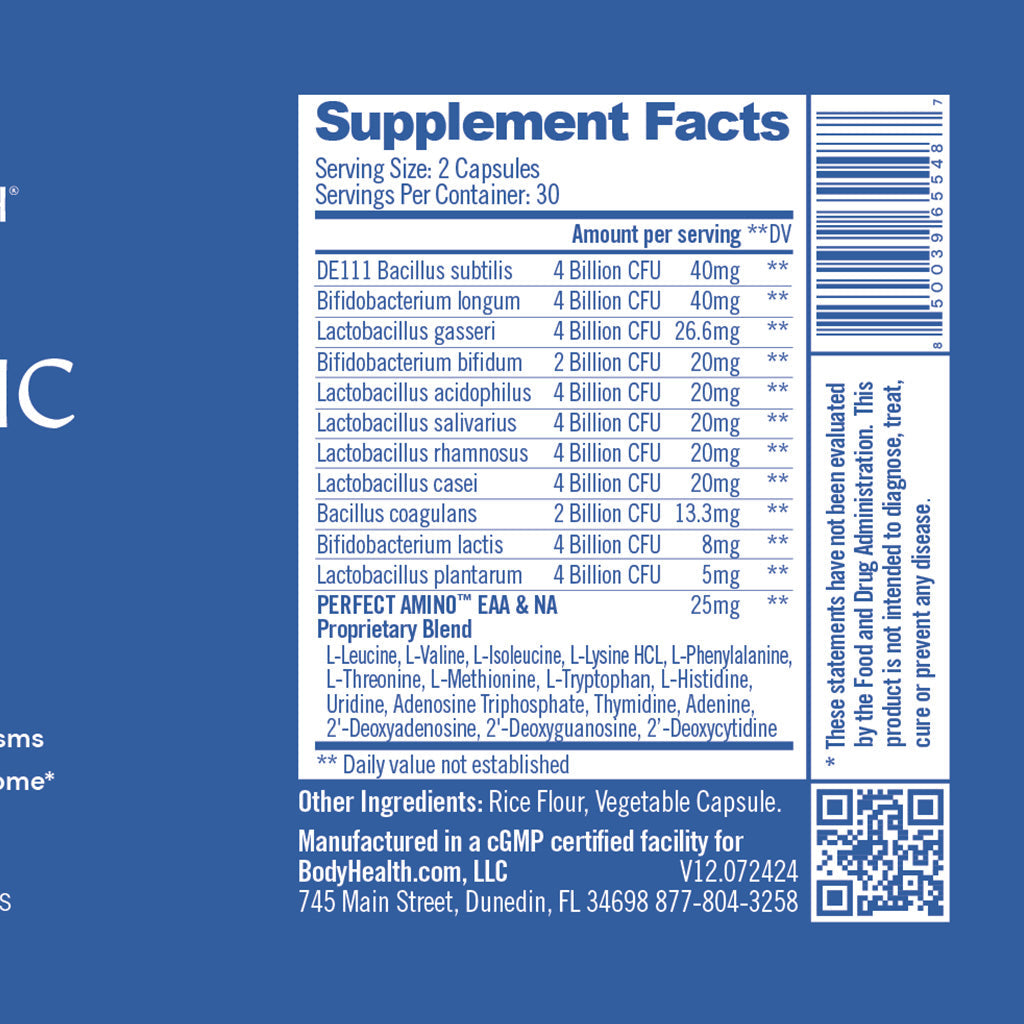

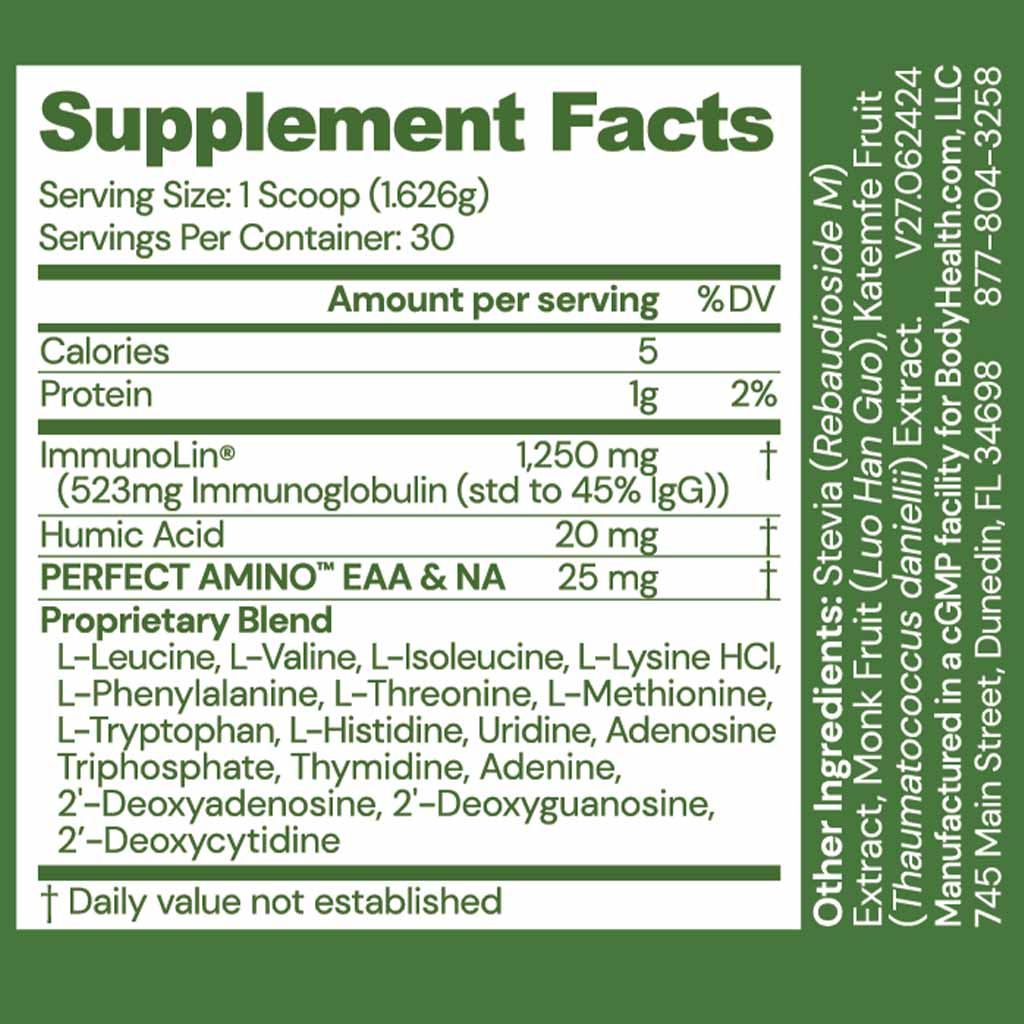




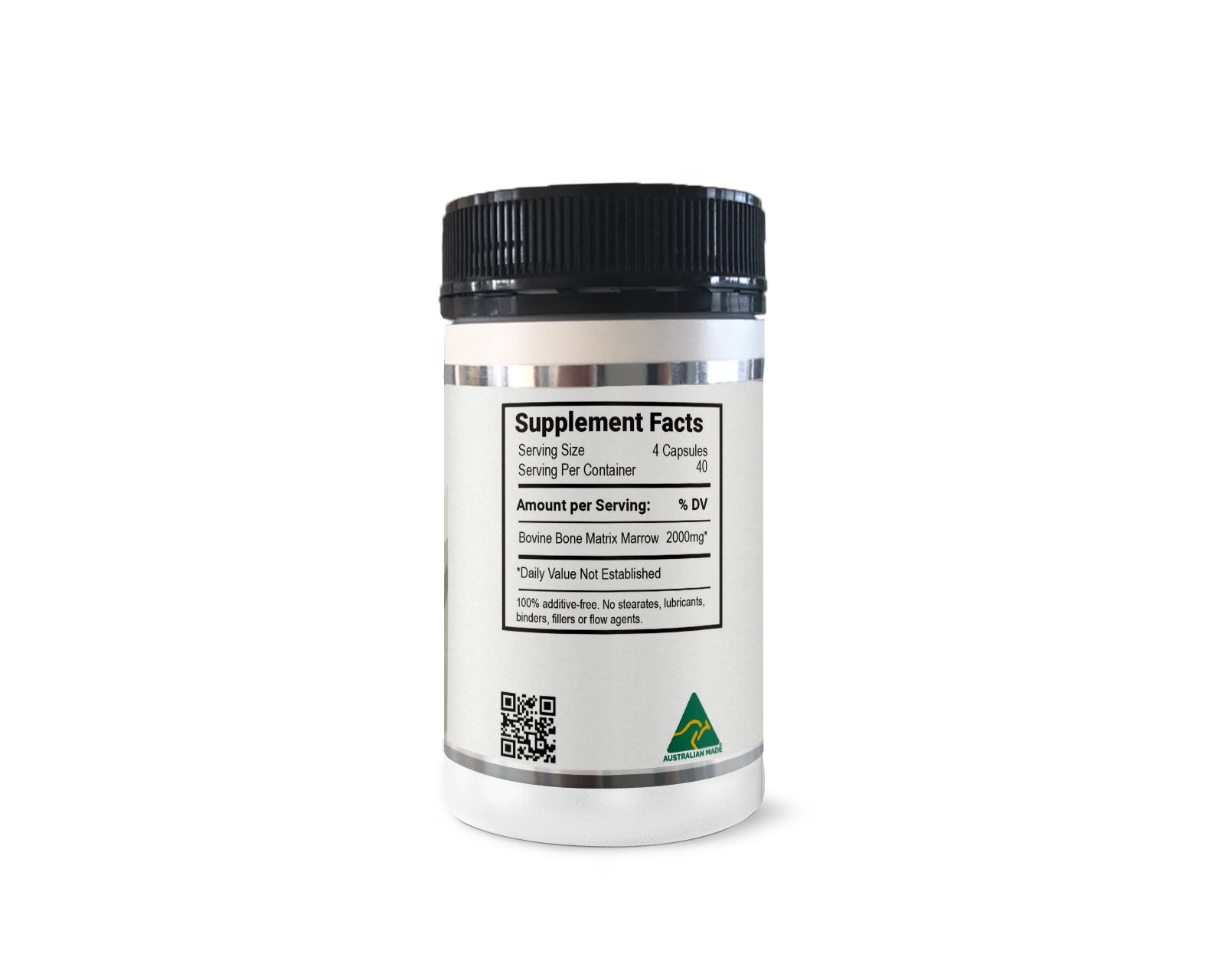
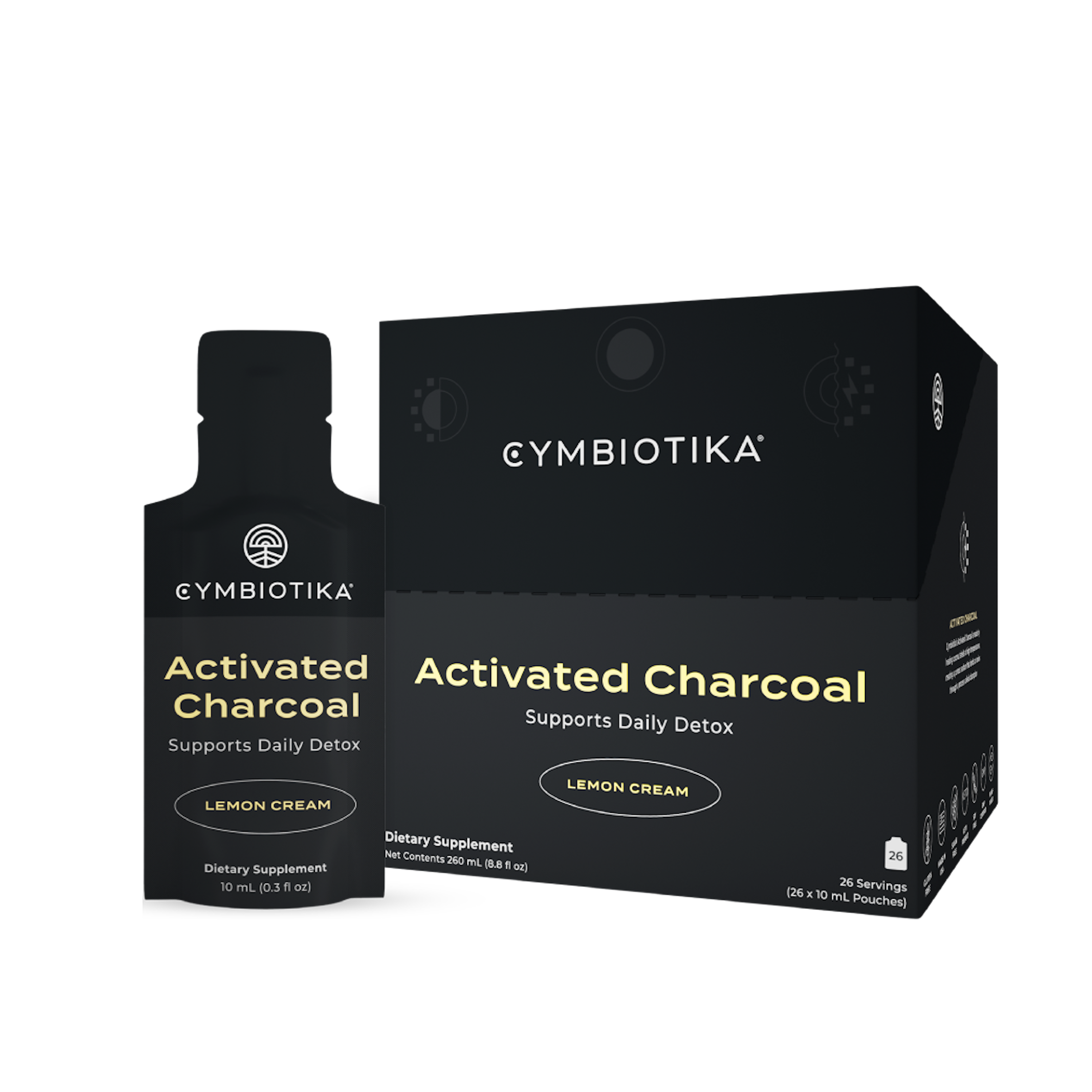
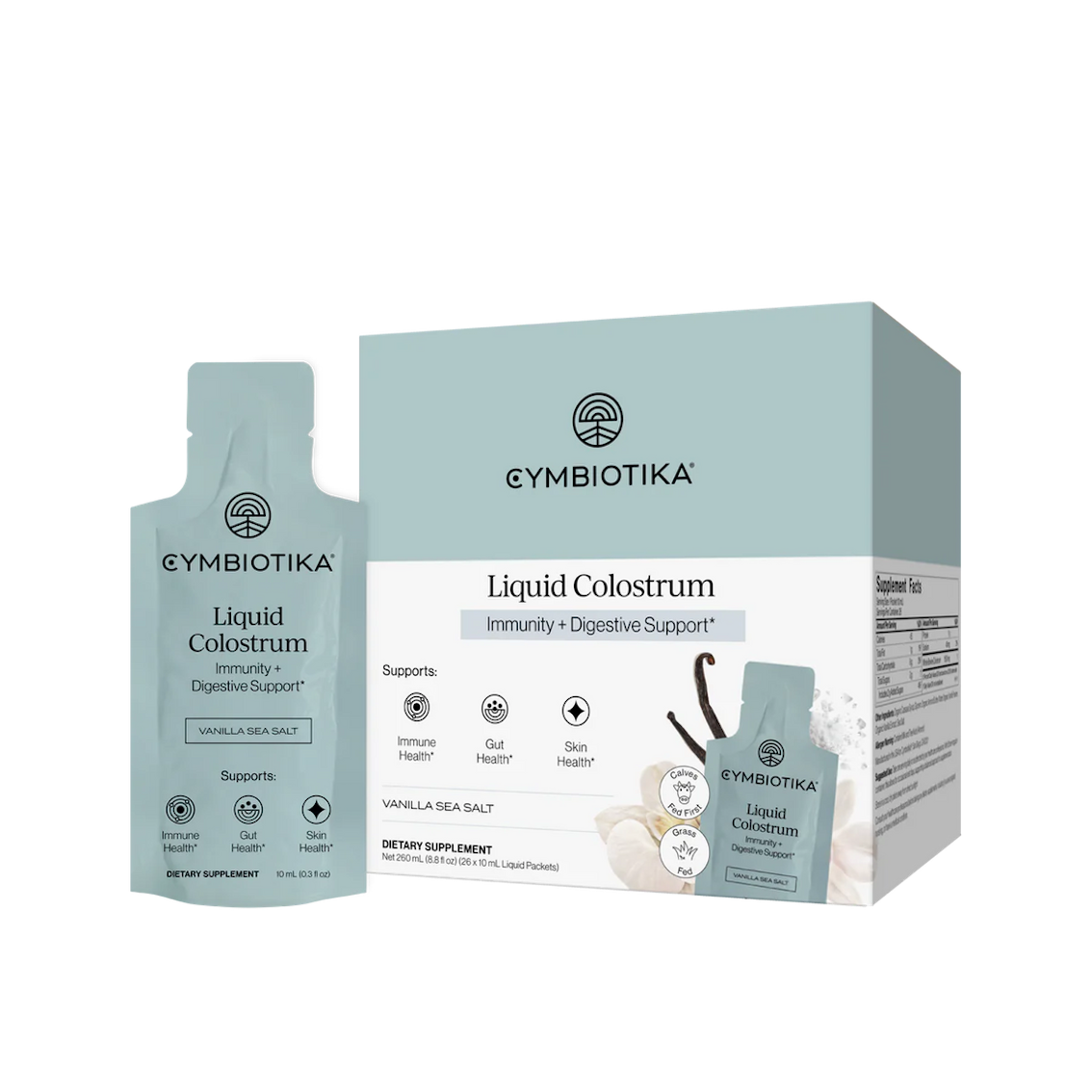


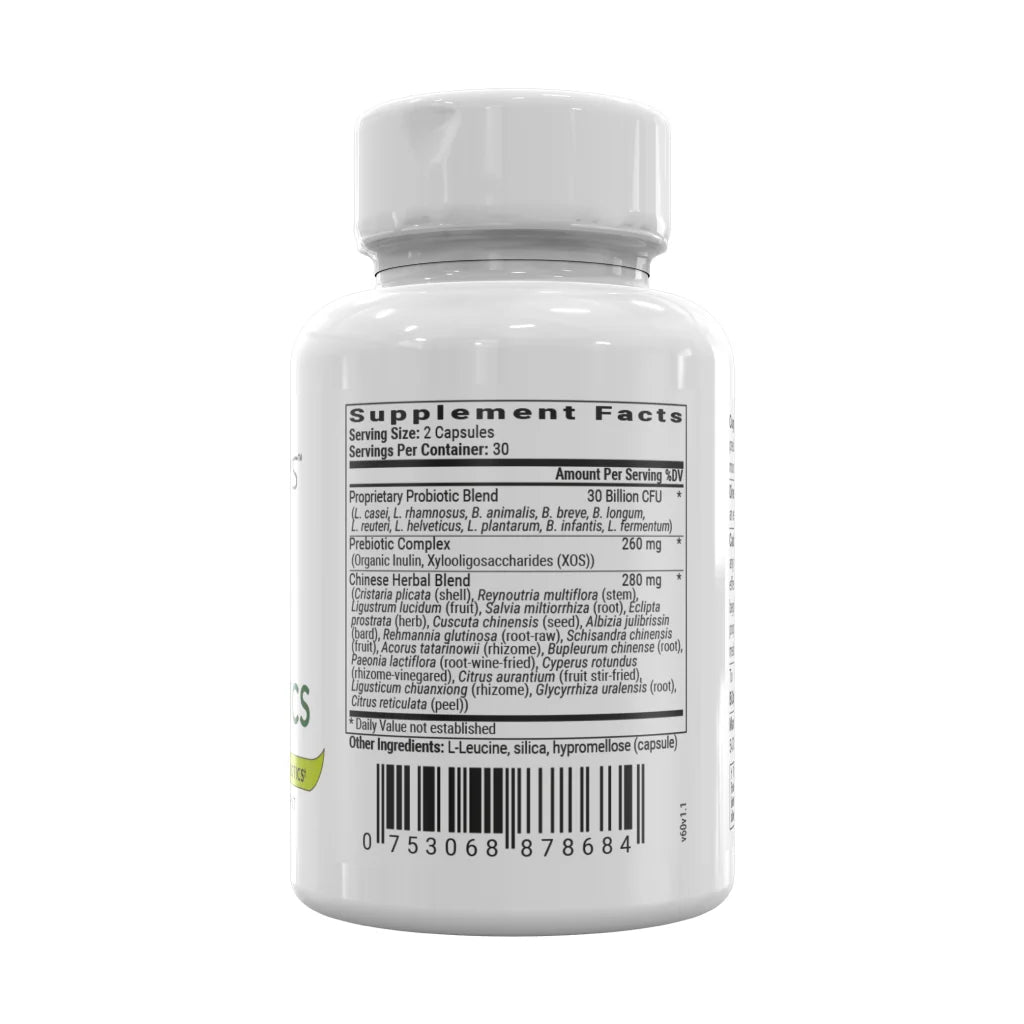
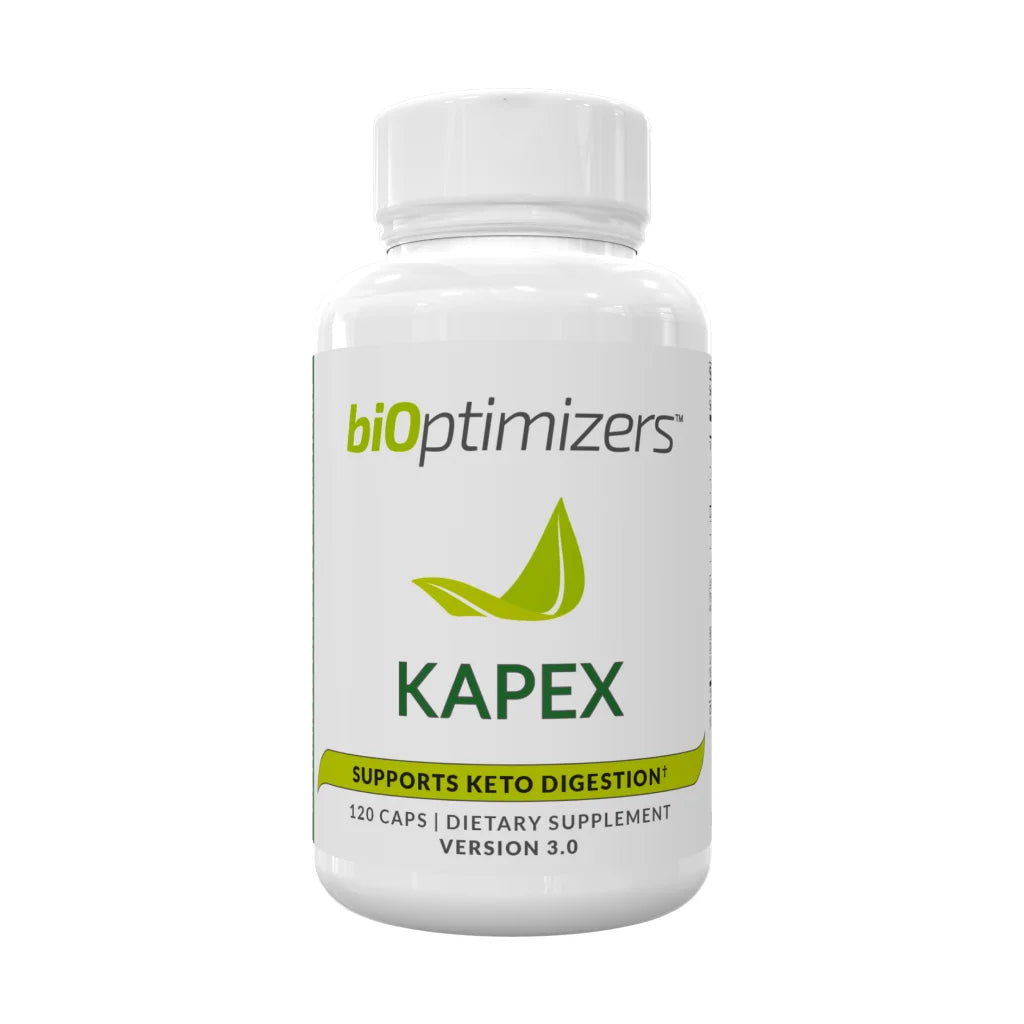
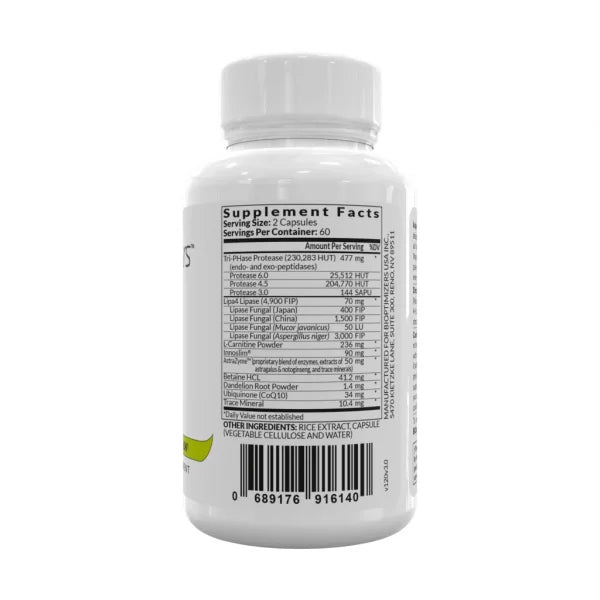

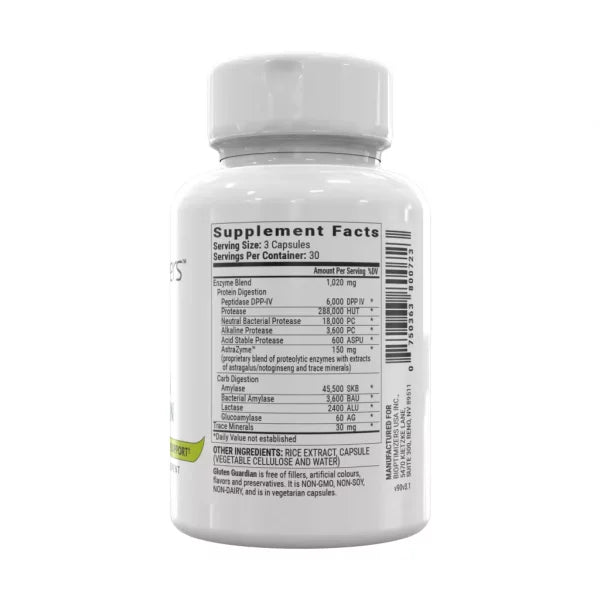


StoneAge stocks seventeen gut and digestive supplements from BodyHealth, BiOptimizers, Cymbiotika and NXGEN, priced from $44.95 to $185.95, carrying more than 95 customer reviews at an average of 4.8 out of 5. All ship from an Australian warehouse.
Four different problems get called “gut health”, and the products that address them are not interchangeable. Working out which one you're actually dealing with saves a lot of money.
What's in this range?
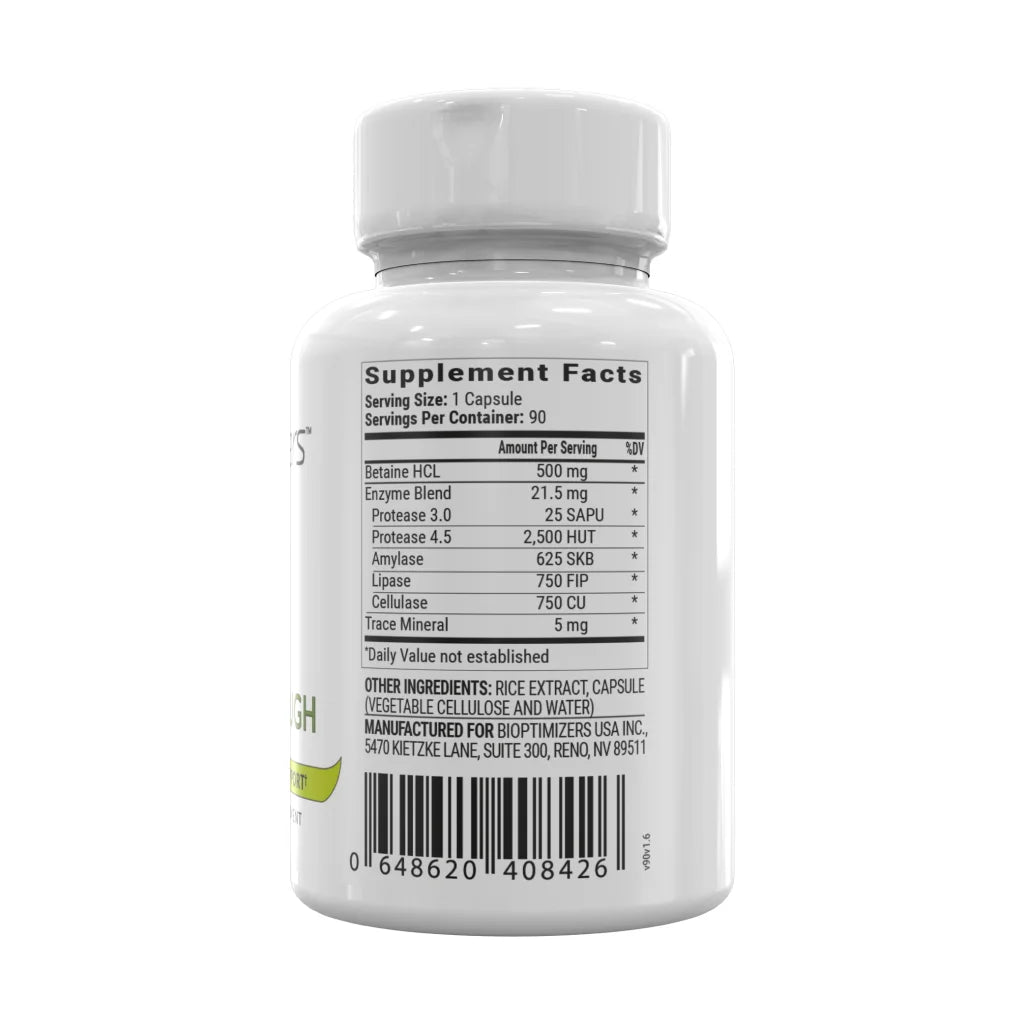
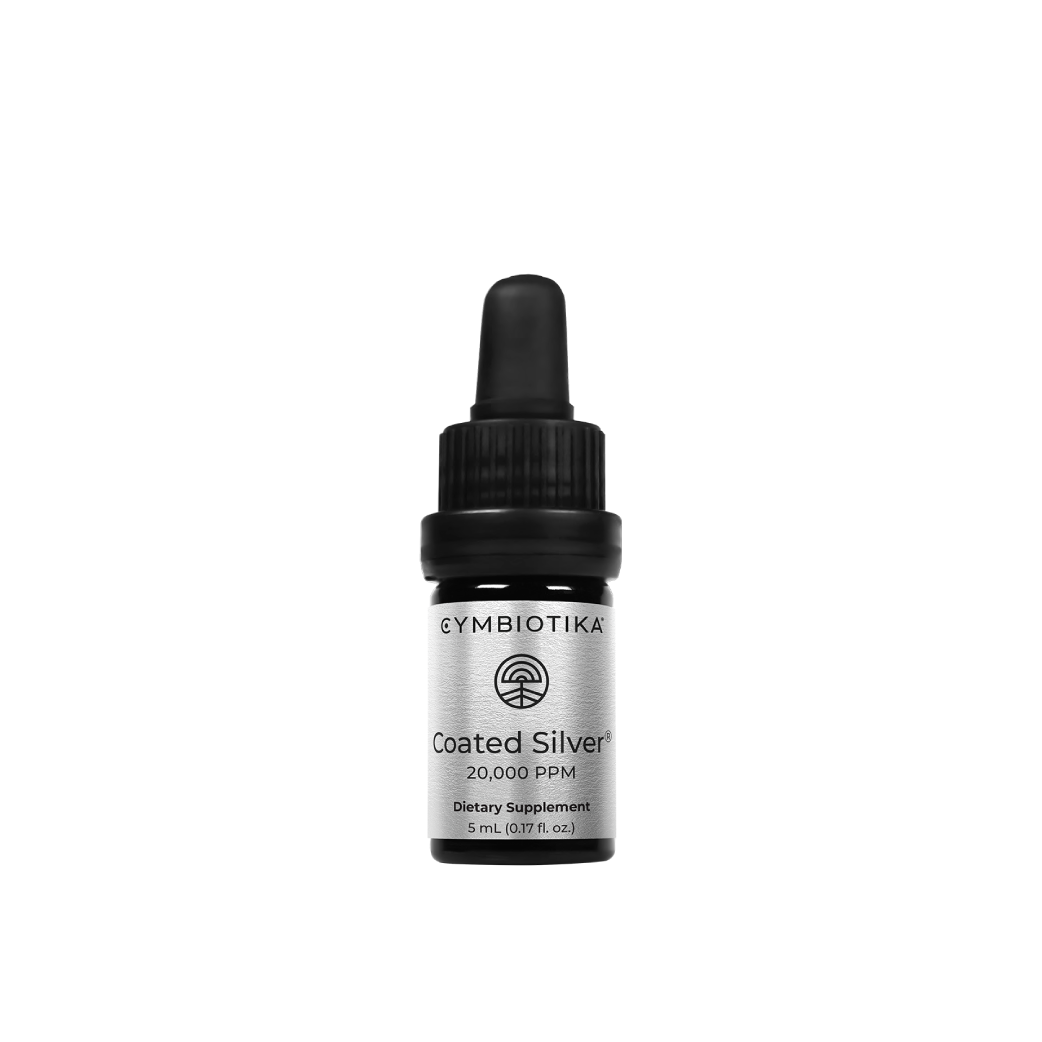
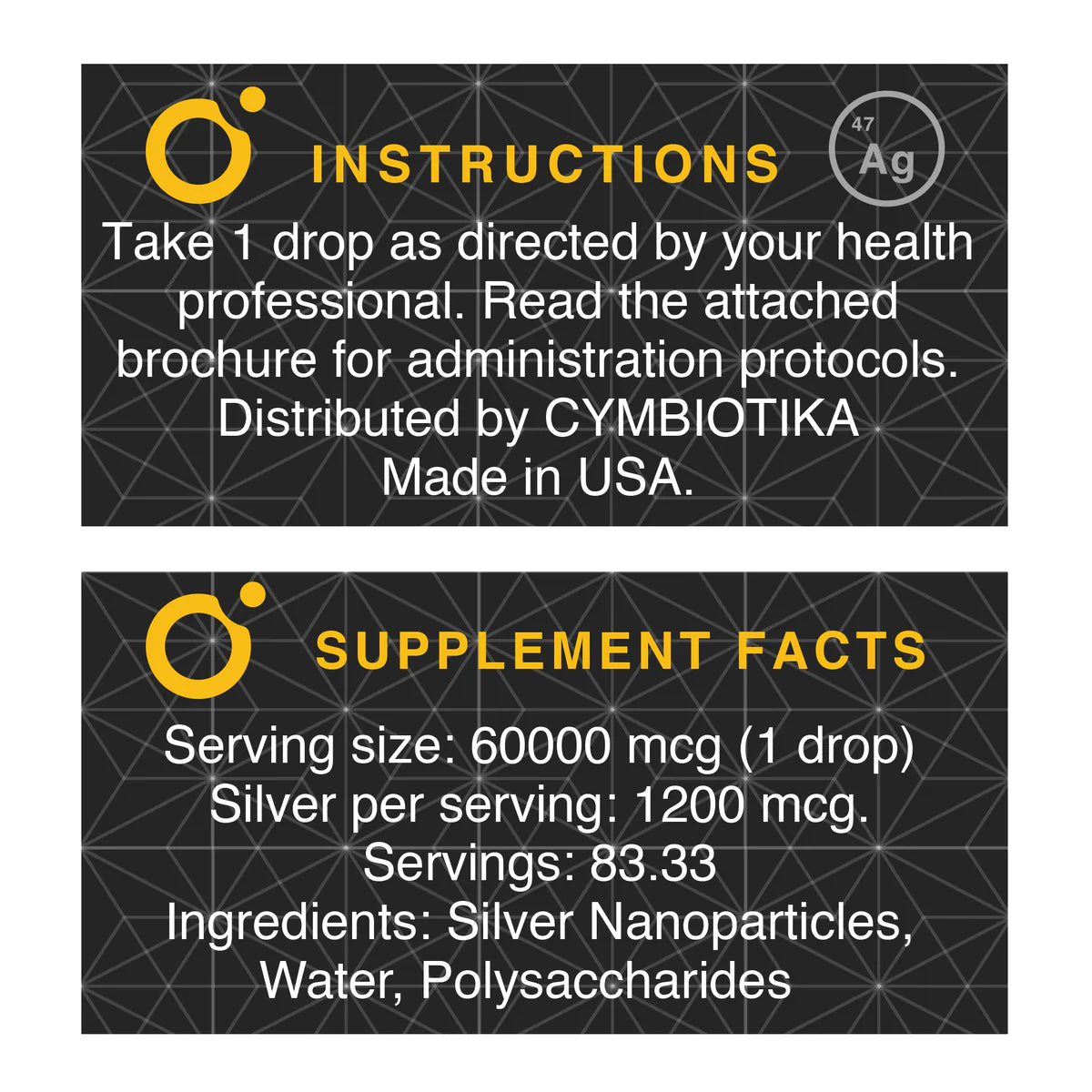
Probiotics — P3OM, Cymbiotika Probiotic and BodyHealth Probiotic. Digestive enzymes — kApex and Gluten Guardian, which help break food down. Stomach acid support — HCL Breakthrough. Gut lining — BodyHealth Gut Restore, Tributyrin and Akkermansia+, plus colostrum from NXGEN and Cymbiotika. Everything else — Bio Detox, Eliminate, Activated Charcoal and Coated Silver, which people come to for their own specific reasons.
Which should I start with?
It depends which of the four groups above matches what you're noticing, and that's the honest answer rather than a dodge. If you're not sure, a probiotic is the least specialised starting point — P3OM has 15 reviews at 4.8. If the issue is clearly around meals rather than general, enzymes or stomach acid support are the more targeted places to look. Speak with your doctor if symptoms are persistent; a supplement is not a substitute for finding out what's going on.
What are these ingredients?
What are digestive enzymes?
Proteins that break food into smaller components the body can absorb — protease for protein, lipase for fat, amylase for carbohydrate. The body makes its own; supplemental enzymes are the same categories in concentrated form, usually taken with a meal rather than between them.
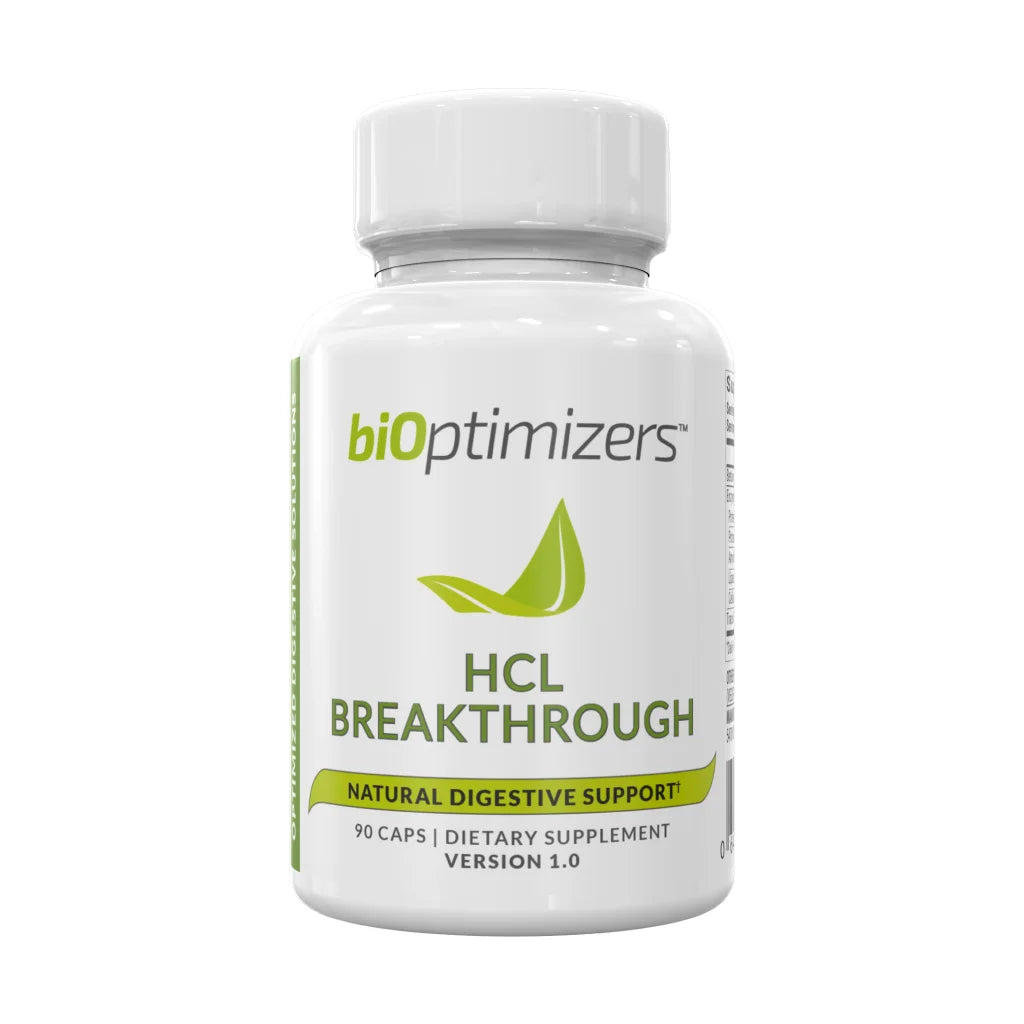
What is HCL, and why would anyone take it?
Betaine hydrochloride, a compound that provides hydrochloric acid — the acid the stomach produces naturally to begin digestion. It's taken with food, not on an empty stomach. It's one to read the label on carefully and to raise with a practitioner if you take anything for reflux.
What is butyrate?
A short-chain fatty acid produced when gut bacteria ferment dietary fibre. It occurs naturally in butter and in some fermented foods. Tributyrin is a form of it designed to survive further down the digestive tract than butyrate alone would.
What is colostrum?
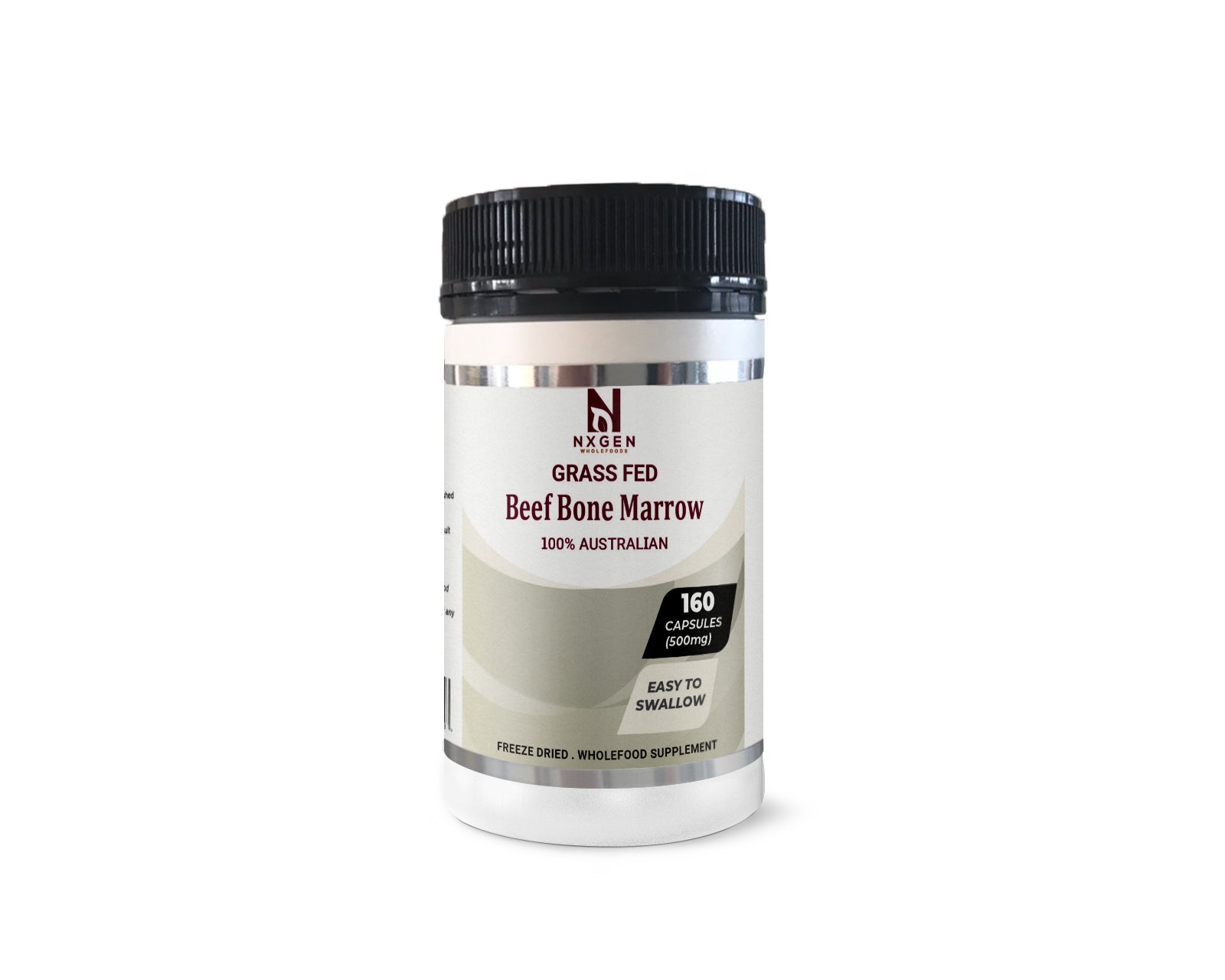
The first milk produced after birth, in cattle as in humans, and compositionally quite different from ordinary milk. The bovine version is collected in the first days after calving and dried. NXGEN's is grass-fed; Cymbiotika's is a liquid.
Which gut supplements do customers rate highest?
Cymbiotika Coated Silver (30 reviews, 4.8), BiOptimizers P3OM (15, 4.8), HCL Breakthrough (14, 4.9), kApex (11, 4.7) and Cymbiotika Probiotic (6, 5.0).
Probiotic, enzyme or stomach acid — which do I need?
They do different jobs. Probiotics add micro-organisms of the kind already living in the gut, and are taken daily rather than with meals. Digestive enzymes break food down and are taken with the meal itself. Stomach acid support addresses the first stage of digestion and is also taken with food.
The practical distinction most people find useful: if what you notice is tied to particular meals, the enzyme and acid end of the range is the more targeted place to look. If it's more general, probiotics are where most people start.
How much do gut supplements cost here?
From $44.95 to $185.95. P3OM and the NXGEN bone marrow capsules are the entry points at $44.95; Cymbiotika's Coated Silver sits at the top. Most of the range falls between $55 and $85. Prices are in Australian dollars and include GST.
Are these genuine, and is StoneAge an authorised stockist?
Yes. StoneAge Health is an Australian-owned business and an authorised stockist for the brands on this page. Stock is held in an Australian warehouse rather than drop-shipped from overseas, so what arrives is current stock with proper shelf life, not something that has spent weeks in transit.
Where do these ship from?
An Australian warehouse. No customs step, no international wait, and no import duty added at the door.
Range, pricing and review counts last checked August 2026.


