
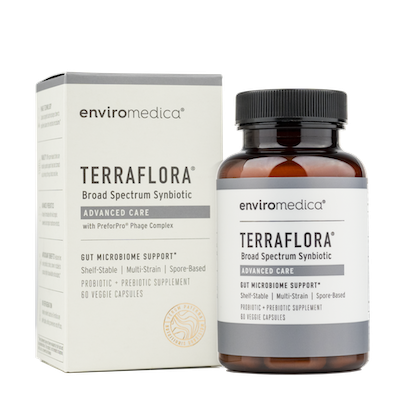
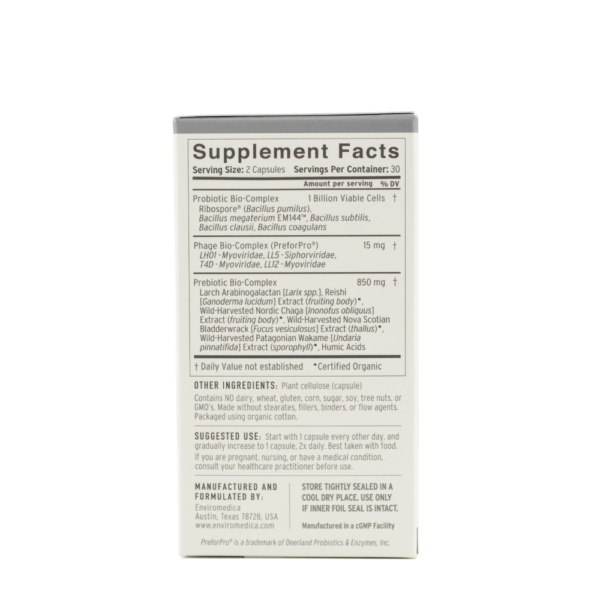


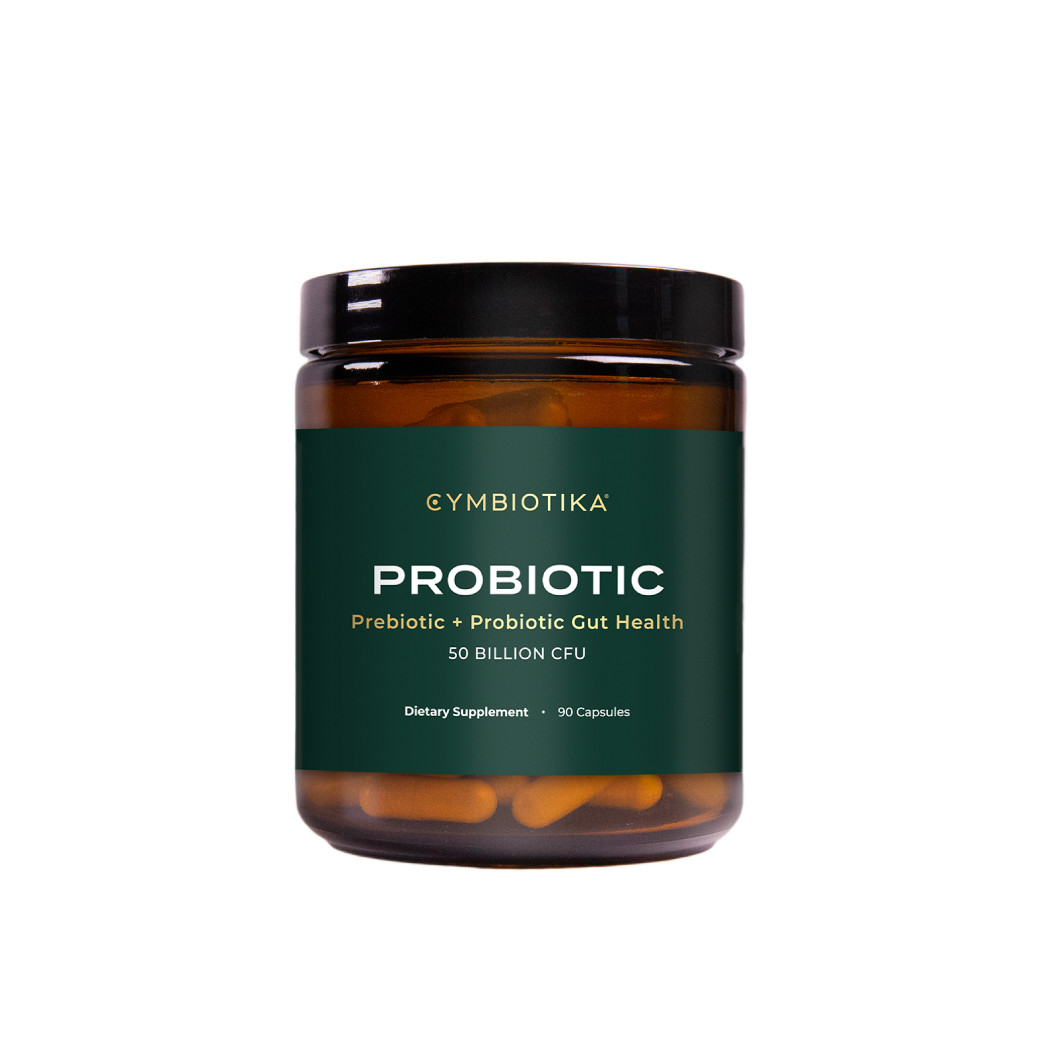
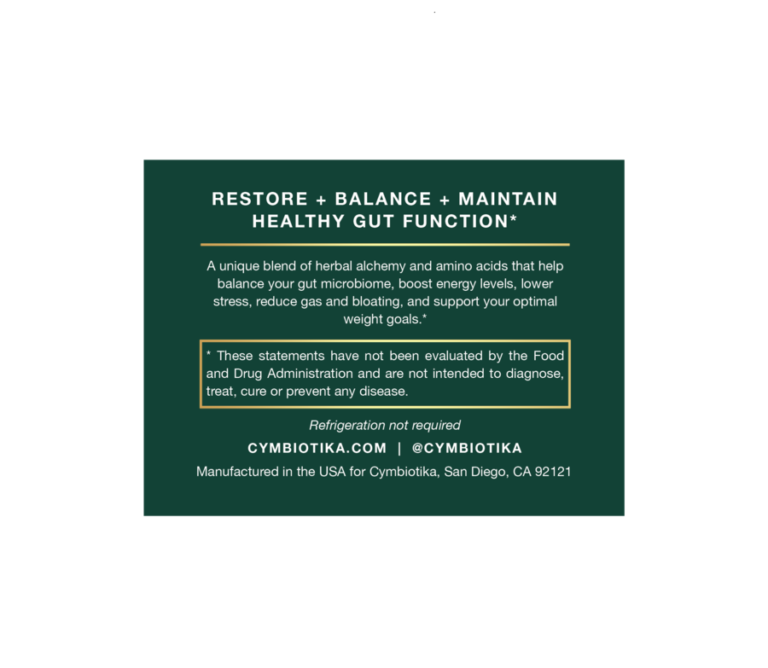
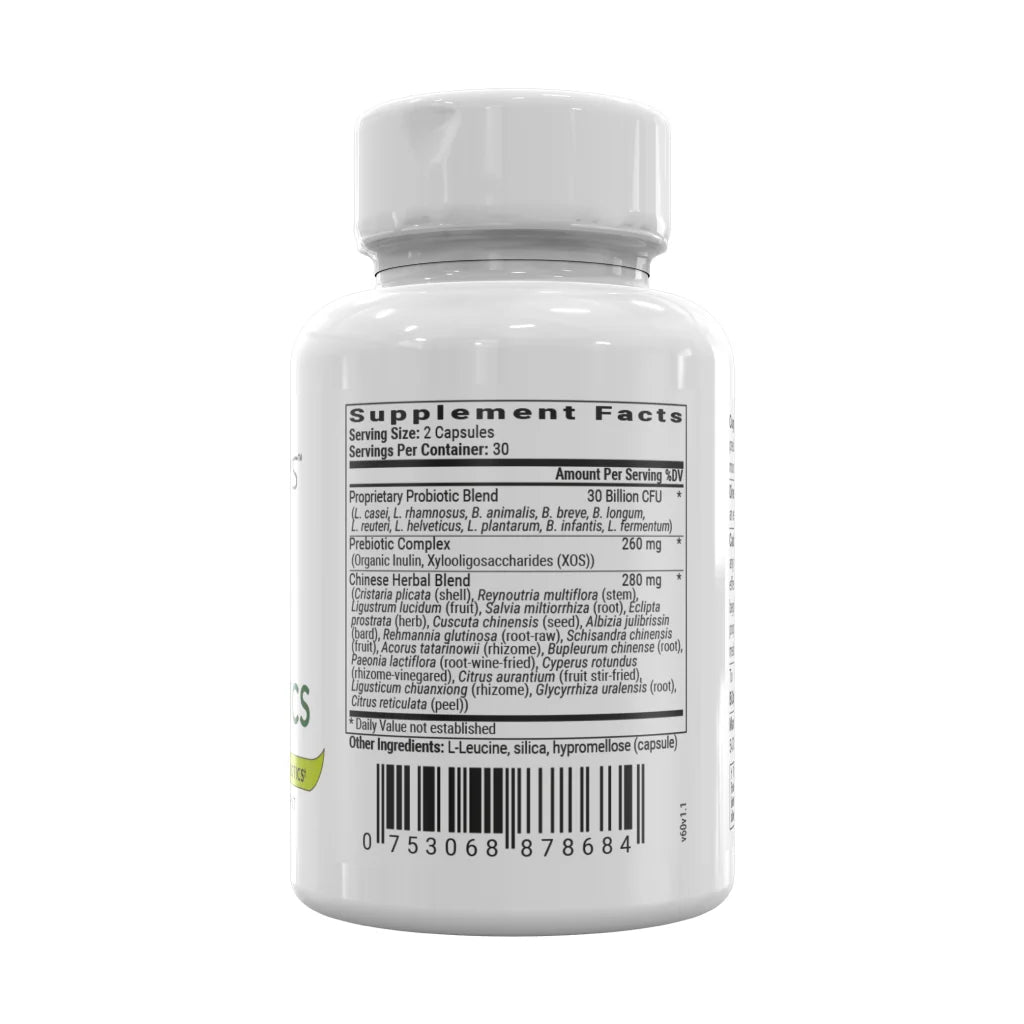
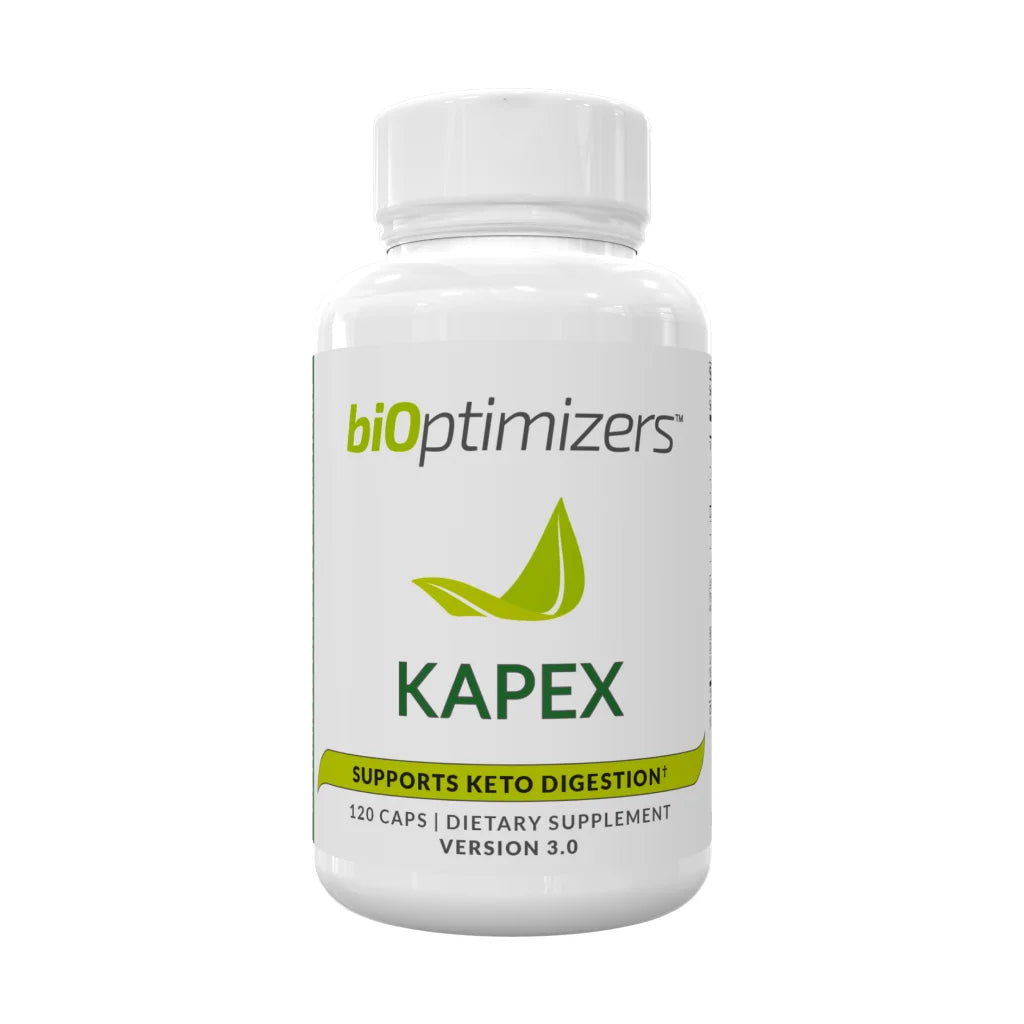
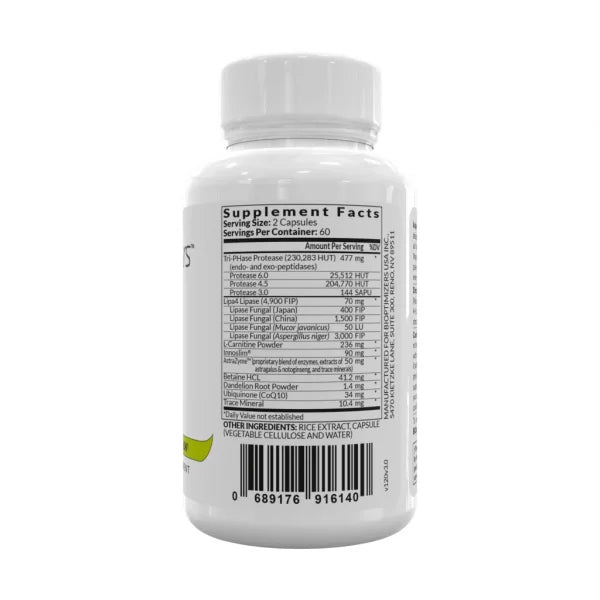
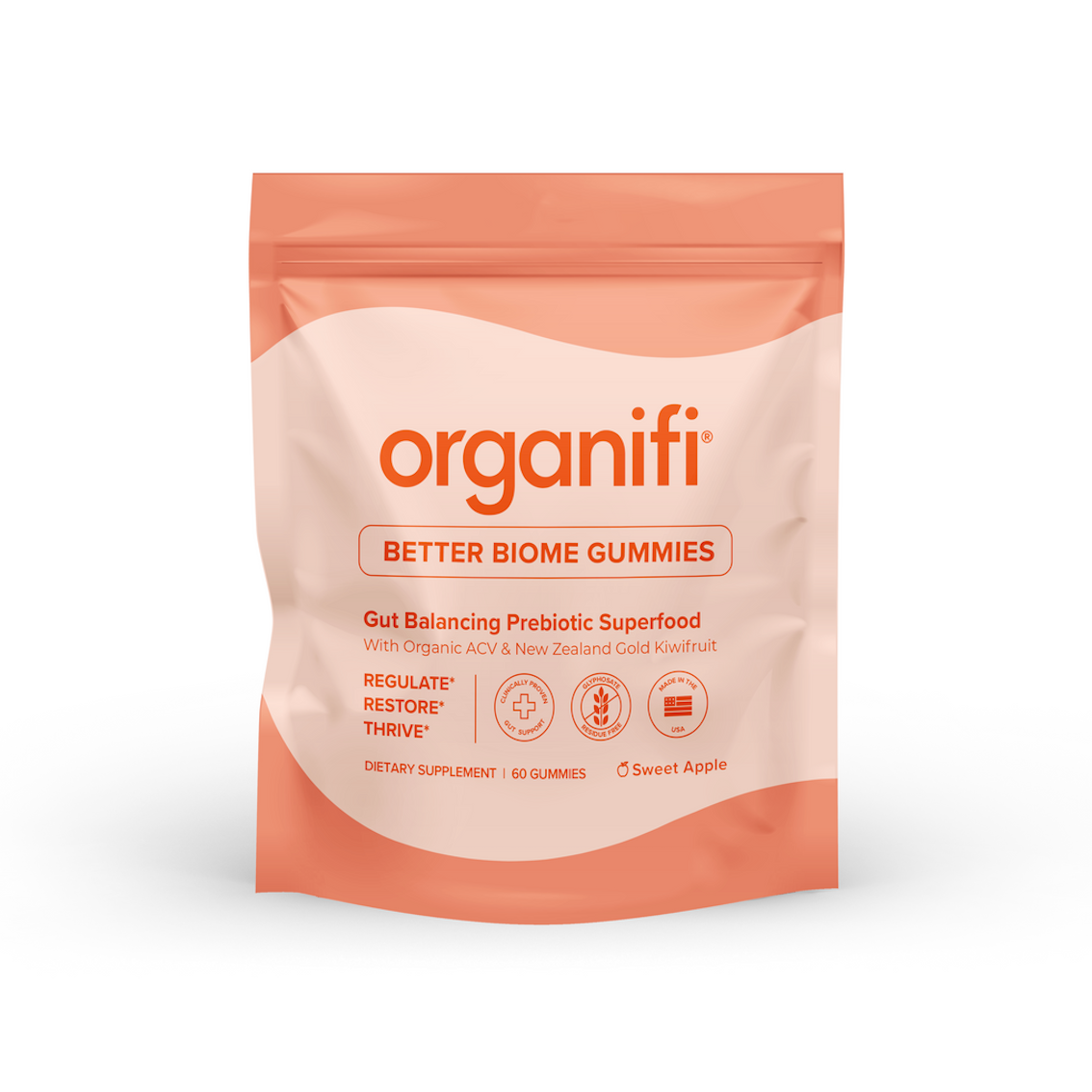
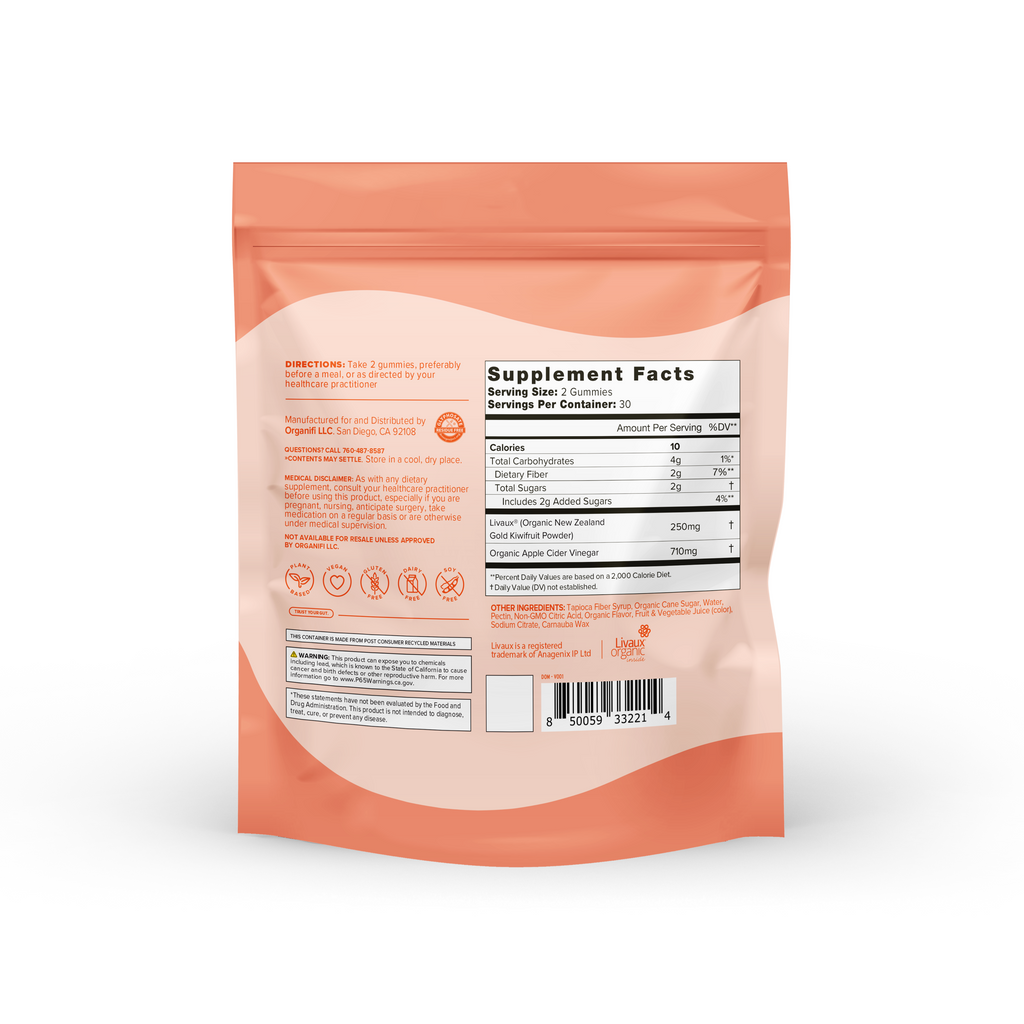
StoneAge stocks eight pre and probiotic supplements from Terraflora, BiOptimizers, Cymbiotika and Organifi, priced from $44.95 to $125.95, carrying more than 75 customer reviews at an average of 4.9 out of 5. Most are shelf-stable and need no refrigeration.
The probiotic aisle is confusing on purpose. Strain counts get printed in billions because the number is impressive, not because it's the thing that matters.
What's in this range?
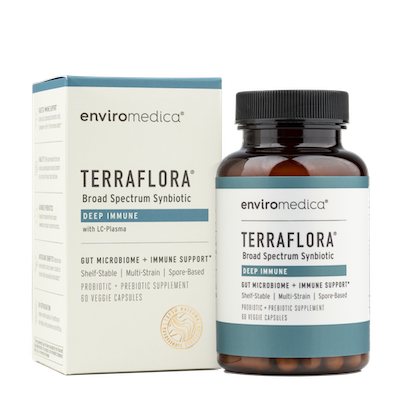
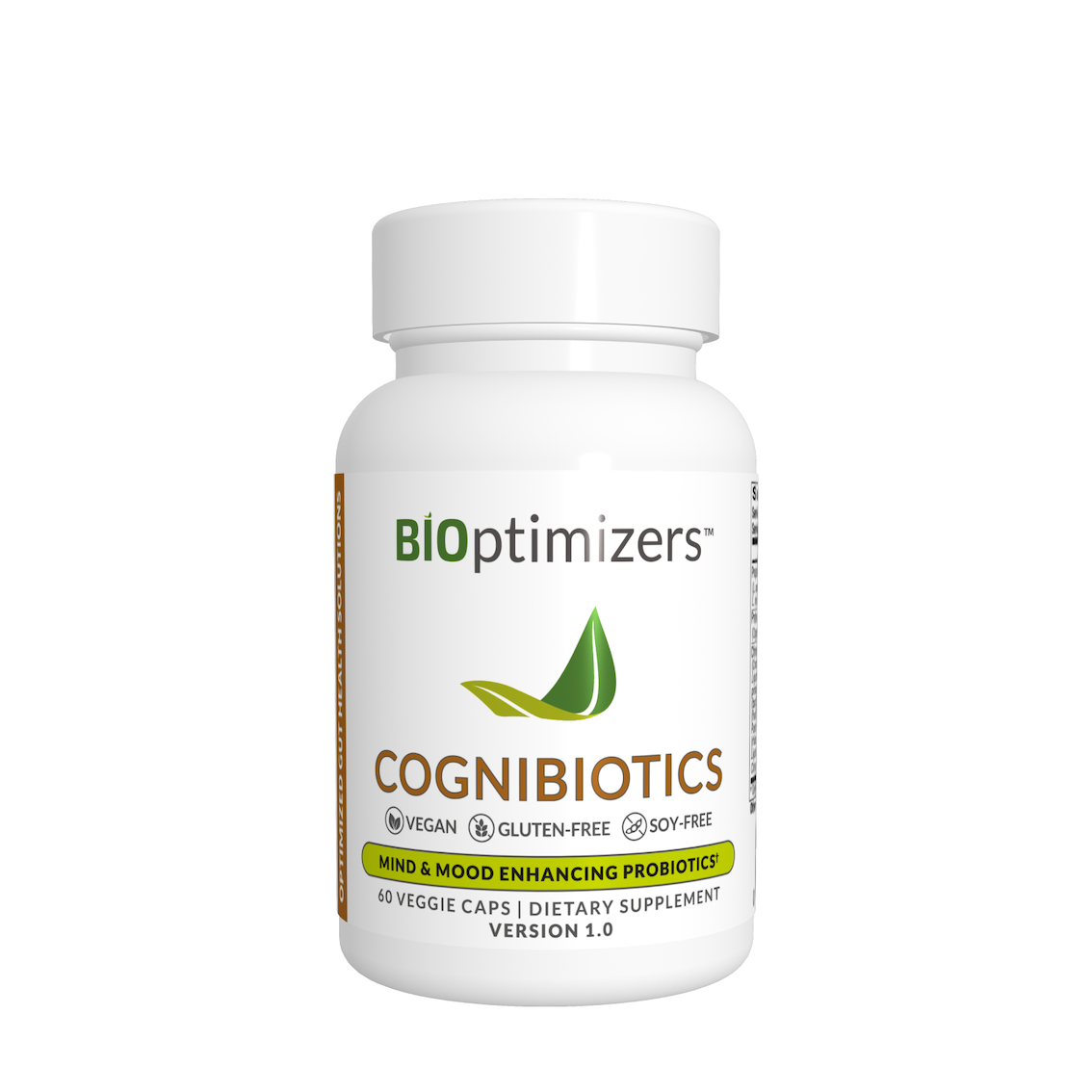
Soil-based — the Terraflora range, in Daily Care, Advanced Care and Deep Immune. Single-strain — BiOptimizers P3OM. Liquid and liposomal — Cymbiotika Probiotic. Combination formulas — Cognibiotics and kApex, which pair probiotic ingredients with something else. Prebiotic-led — Organifi Better Biome Gummies.
Which should I start with?
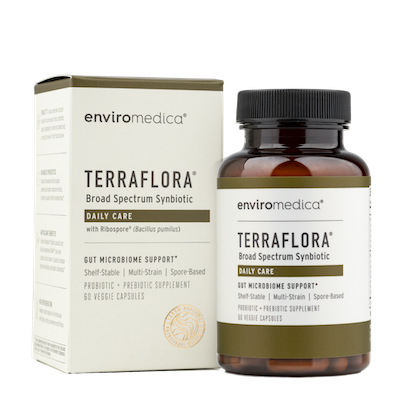
Terraflora Daily Care, for most people. It has 19 reviews at 4.9, it's soil-based so it doesn't need refrigerating, and it's the least eventful place to begin. If you already know you want a single-strain product, P3OM (15 reviews, 4.8) is the usual alternative. Starting with two at once makes it impossible to tell what's doing what.
What are these ingredients?
What is a probiotic?
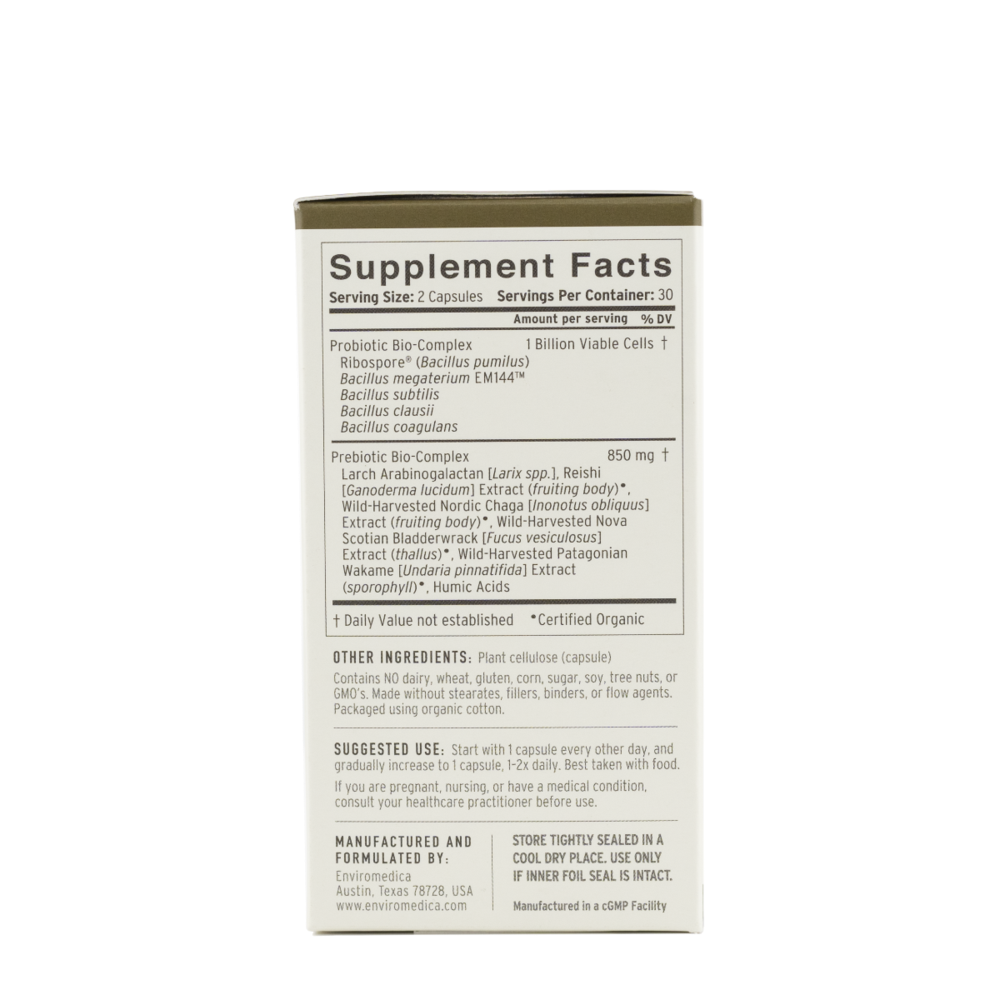
Live micro-organisms — bacteria or yeasts — of the kind that already live in the human gut. They're measured in CFU, colony-forming units, which counts how many are viable rather than how many are present. A larger CFU number is not automatically better; what survives the journey matters more than what goes into the capsule.
What is a prebiotic, and how is it different?
A prebiotic isn't alive. It's a form of fibre that the bacteria already in your gut use as food. Probiotics add organisms; prebiotics feed the ones that are there. Some products combine both, which is where the word “synbiotic” comes from.
What does soil-based mean?
Soil-based organisms are bacteria that occur naturally in soil, and they're spore-forming — the spore is a hard casing that protects the organism until it's needed. That's why soil-based products don't require refrigeration and conventional dairy-derived probiotics usually do. Terraflora is built on this approach.
Which probiotics do customers rate highest?
Terraflora Daily Care (19 reviews, 4.9), BiOptimizers P3OM (15, 4.8), BiOptimizers kApex (11, 4.7), Terraflora Advanced Care (8, 5.0) and Terraflora Deep Immune (7, 5.0). The Terraflora range accounts for roughly half the reviews on this page.
What's the difference between soil-based and conventional probiotics?
Conventional probiotics are usually lactobacillus and bifidobacterium strains, often dairy-derived, and typically need cold storage to stay viable. Soil-based organisms are spore-forming bacteria found naturally in soil, which is why they sit on a shelf without refrigeration.
Neither is universally better. The practical differences are storage, whether dairy is involved, and how the product handles being shipped through an Australian summer.
How much do probiotics cost here?
From $44.95 to $125.95. P3OM is the entry point at $44.95; the Terraflora range runs $56.95 to $62.95; Cymbiotika's liquid probiotic sits at the top. Prices are in Australian dollars and include GST.
Are these genuine, and is StoneAge an authorised stockist?
Yes. StoneAge Health is an Australian-owned business and an authorised stockist for the brands on this page. Stock is held in an Australian warehouse rather than drop-shipped from overseas, so what arrives is current stock with proper shelf life, not something that has spent weeks in transit.
Where do these ship from?
An Australian warehouse. No customs step, no international wait, and no import duty added at the door.
These products also appear in the wider gut health and digestive range, which covers enzymes, stomach acid and gut lining alongside probiotics.
Range, pricing and review counts last checked August 2026.


